
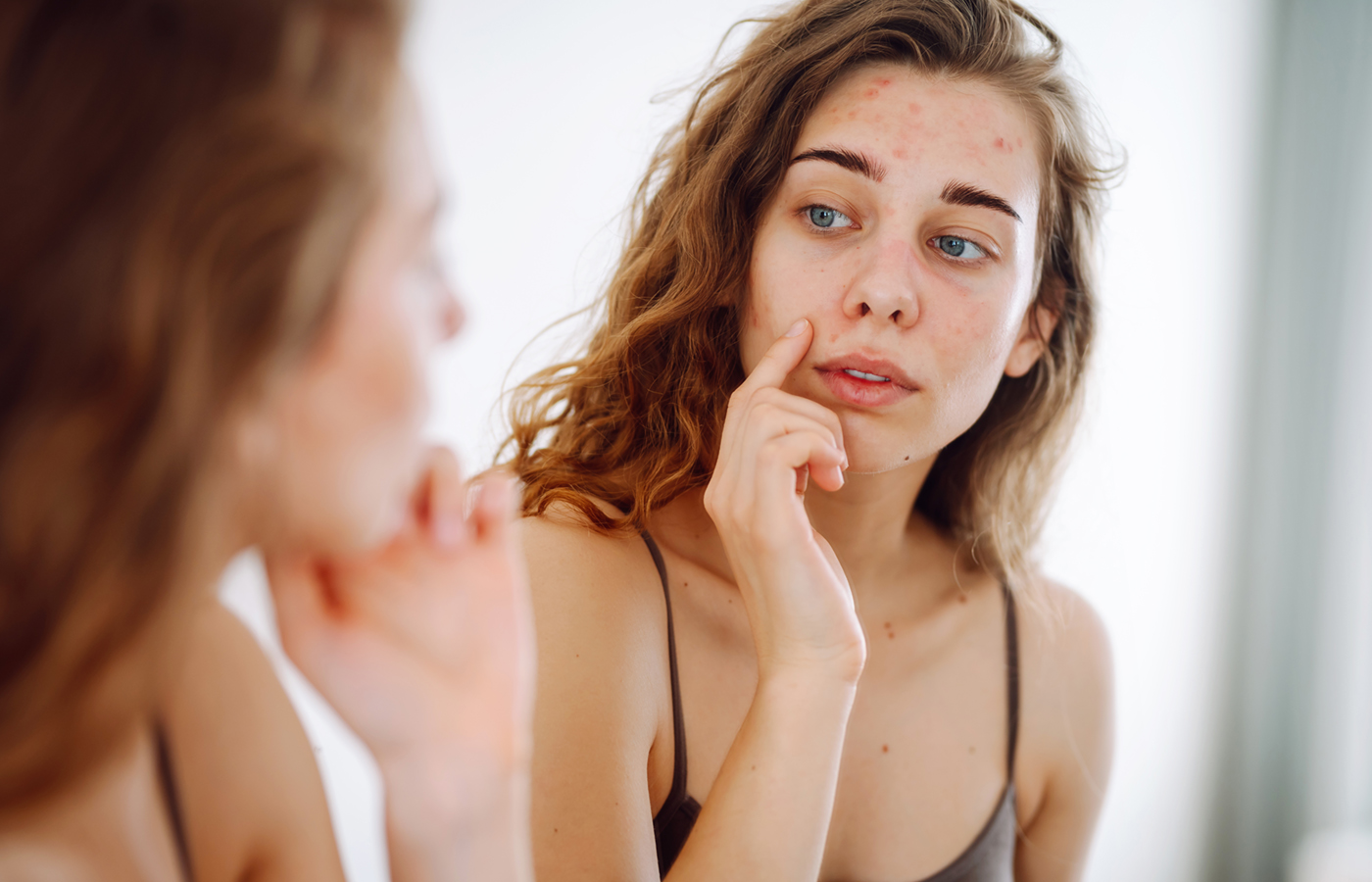
Acne is not an exclusive “privilege” of adolescence. Many adults, even in their 30s or 40s, present with inflammatory lesions on the face, chest, or back. Adult acne has distinct characteristics compared to adolescent acne, and it is often surrounded by misconceptions that hinder timely and effective management. Below, the most common myths and realities of adult acne are clarified from the perspective of medical dermatology.
Adult acne is not rare
Myth: Acne only affects teenagers.
Truth: Adult acne is more common than generally believed. It appears predominantly in women, often affecting the chin and jawline, and may be associated with hormonal fluctuations, stress, or environmental factors.
It is a chronic inflammatory skin disorder most commonly linked to sebaceous gland dysfunction and follicular occlusion. Regardless of age, medical follow-up remains essential.
Diet is not always to blame
Myth: Chocolate or greasy food causes acne.
Truth: Although diet can influence the body’s inflammatory response, it is not the sole cause of acne. Certain high–glycemic index foods or excessive dairy intake may aggravate acne in some individuals, but each case is unique.
Diagnosis and management should be based on individualized assessment rather than generalizations.
Poor hygiene is not the cause
Myth: Acne means someone does not take proper care of their skin.
Truth: Acne is not caused by dirt. Excessive washing or aggressive cleansers may worsen inflammation. Proper hygiene involves gentle cleansing with products suitable for oily or acne-prone skin, without disrupting the skin’s natural protective barrier.
Cosmetics can play a role
Myth: All skincare products are safe.
Truth: Some cosmetics are comedogenic and may trigger or worsen acne. Product selection should focus on “non-comedogenic” labeling, while avoiding heavy, oily formulations that clog pores. Furthermore, uncontrolled use of makeup as camouflage can trap bacteria and sebum, prolonging inflammation.
Hormones play a key role
Myth: Hormonal imbalances only cause acne during adolescence.
Truth: Hormonal changes can also drive acne in adulthood. It is frequently linked with premenstrual syndrome, polycystic ovary syndrome (PCOS), or other endocrine disorders. Hormonal evaluation is often necessary to identify the underlying cause.
Acne is treatable — and should be treated properly
Myth: There is no point in treating it; it will go away on its own.
Truth: Adult acne often persists. Recurrent flare-ups can lead to scarring and post-inflammatory hyperpigmentation, particularly in darker skin types. Modern dermatology offers a wide spectrum of treatments, ranging from topical agents and antibiotics to retinoids, laser therapy, and chemical peels.
Treatment plans are tailored according to disease severity, skin type, and the patient’s medical history.
Stress worsens acne — but it is not the sole culprit
Myth: If I relax, acne will disappear.
Truth: Chronic stress has a proven impact on the immune system and inflammatory responses, worsening dermatological conditions such as acne. However, it is rarely the primary cause. It may act as a contributing factor but is seldom solely responsible for the onset or persistence of acne.
Adult acne does not affect only women
Myth: Men do not get acne after adolescence.
Truth: Although more common in women, adult acne also affects men, particularly those engaging in intensive training or anabolic steroid use. In men, acne tends to appear more severely on the back, neck, and chest.
Alternative “natural” remedies are not always safe
Myth: Natural masks and homemade remedies can cure acne.
Truth: Substances such as lemon juice, vinegar, or baking soda — frequently used in “DIY” recipes — may cause burns or irritation without addressing the root cause. Every treatment should be based on scientific evidence and tailored to the individual skin condition.
Treatment should continue even after visible improvement
Myth: Once the pimples clear, treatment can be stopped.
Truth: Stopping treatment prematurely, before complete resolution of inflammation or without medical guidance, often leads to relapse. Maintenance therapy with mild topical agents and appropriate dermocosmetic care is just as important as the initial intervention.